The rich history of New Hampshire and New England as a whole is epitomized in beautiful Walpole Tranquility Farms.
Pre-Columbian History
“Monadnock”: The Mountain that Stands Alone
The area that is now known as Walpole was once occupied by the Abenake and Western Pennacook tribes of Native Americans. They occupied the land for more than 10,000 years, enduring harsh winters and thriving in the dense forest and fertile fields of New Hampshire. Their place names for landmarks in the area, such as “Monadnock,” meaning “the mountain that stands alone,” are still a part of their lives today. Cultural artifacts from their occupation can still be seen on Walpole Tranquility Farms.

Contact Era History
The First Europeans
The first Europeans settled in New Hampshire in 1623 in Portsmouth. They soon travelled west, expanding British territory in the new world. There were peaceful, as well as violent interactions with the native population of New Hampshire, eventually leading to the forced movement of both the Abenake and the Pennacook out of their ancestral lands. Life for these early settlers was not easy, and a far cry from life in a much more populated place like England, where most of them originated. However they overcame the harsh environment by learning from their native neighbors and using the technologies they had brought along with them.
Colonial History
A Homestead During War Time
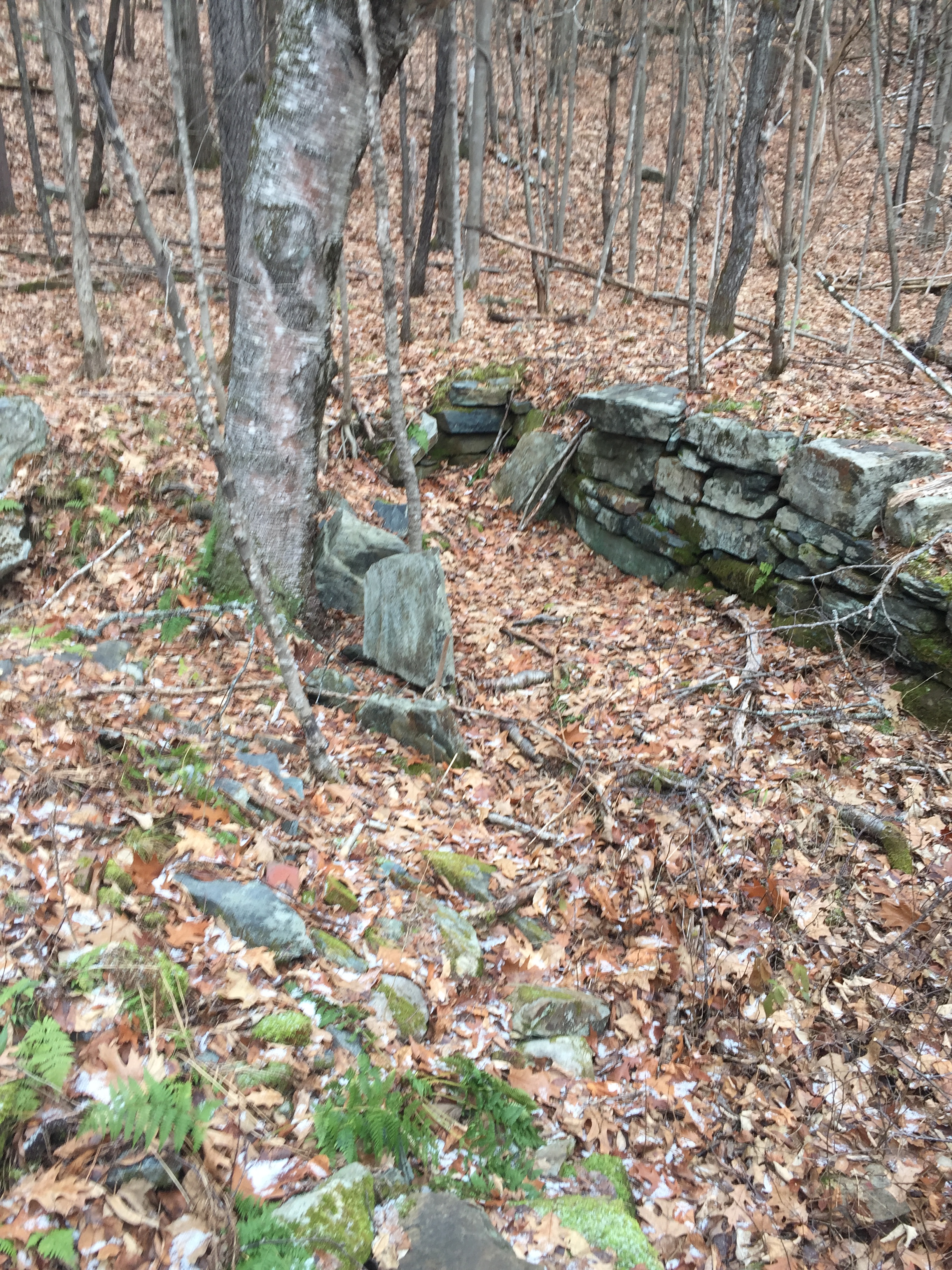
The first documented European settlement on the property of Walpole Tranquility Farms dates to at least 1760 when a toll station was built along the Stage Road, leading West from Boston. This road would have been the sole route leading through the area, going through the historic towns of Keene and Walpole. Along with the toll house and home of the toll collector, there is a large barn situated nearby, presumably to lodge the horses of those traveling on the days long journey out of Boston to their destination. Many colonial artifacts have been collected from the site, including ceramics dating to the 18th century, hand wrought nails, and a belt buckle. No doubt, in the early years of this occupation life would have been stressful for the occupants. The French and Indian War ravaged much of New England during the mid 18th century, making the harsh life of rural New England even more difficult.
 Walpole Tranquility Farms